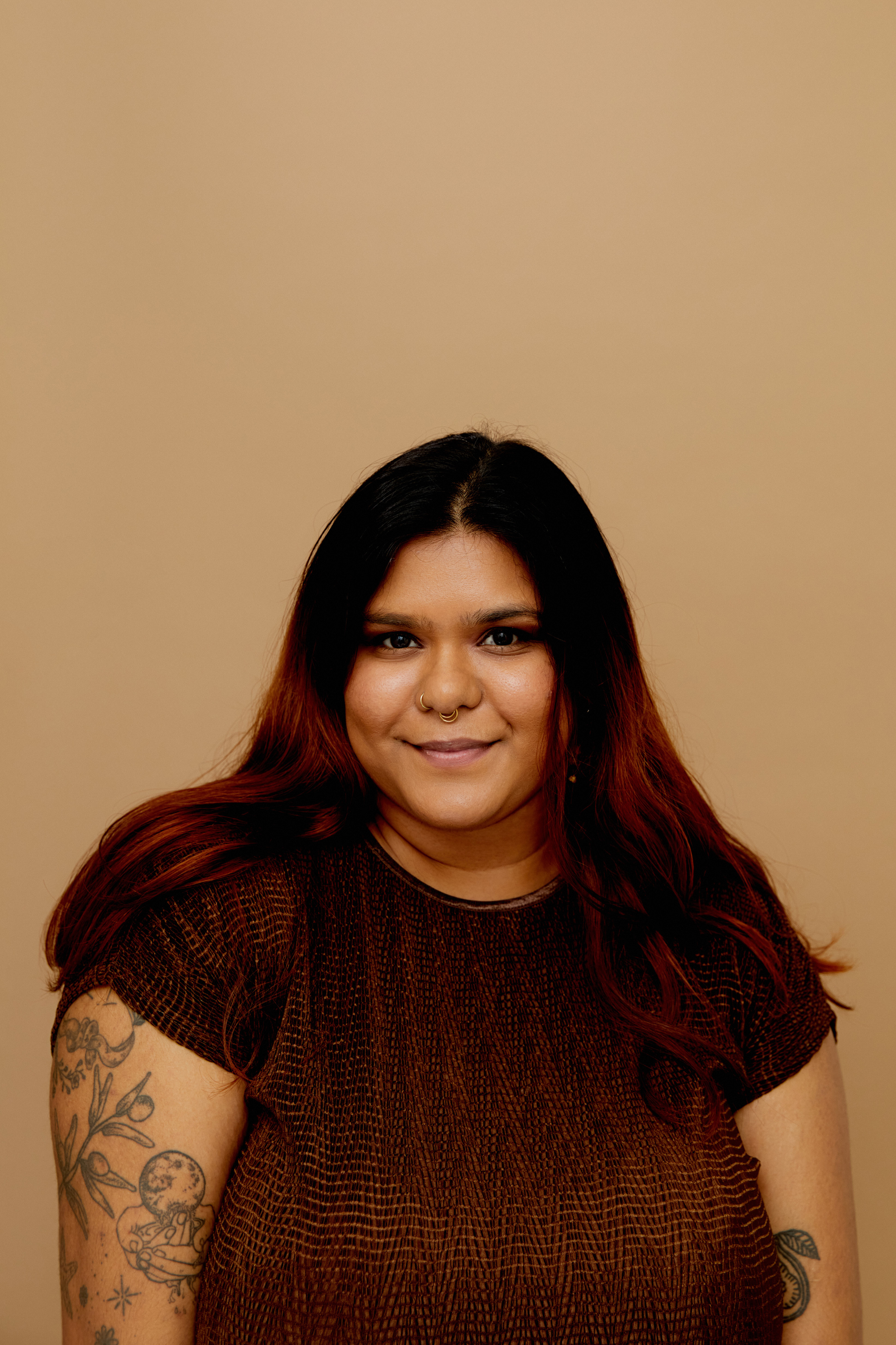
Meet the Team
Hi! We're a collective of Bangladeshi women in Toronto, ON, and we're all riddled with ADHD and/or autism and/or c-PTSD*, and we're passionate about disability justice for women of colour for personal vendetta reasons.
We're the daughters of survivors of the Bengali genocide. Add a legacy of British colonialism into the mix, coupled with a few famines and natural disasters here and there... I think we're inclined to take the complex trauma lens to our experience.
Also, we used to call ourselves "Neurokin", a popular word for communities of neurodivergent people, until we recently decided that, actually, there is a difference between all of us weirdos; Neurokin is not a monolithic catch-all phrase that can guarantee an inclusive and safe space or experience for people who look like us and share our lived experience of inequitable care - and South Asian women deserve their own space to yell about that, because it's super unfair. So we decided to call ourselves Neurokin. Welcome to our crib!
There's a lot about how South Asian people deal with mental health that we wanna help to destigmatize - we had to dig ourselves up out of so much shame to even embark on this quest. It was hard, and it was lonely, until we found each other.
Creating the safety, and trusting each other enough to open up and be honest about our struggles? Tough. What was worse was telling our family and friends, only to be met with "Well, everyone experiences that. That's just tension/stress." Initially, it felt gutting, but eventually we realized - our closest people often had no language to express their own neurodivergent experiences, or had suppressed their own feelings, opting to assume everyone must have the same struggles, diminishing their own need for support in the process. This is typical behaviour for the archetypal Bengali mom. We want better.
Historically, women and people of colour have routinely been excluded from medical & psychological research, which has led to a lack of understanding of neurodivergent traits in marginalized folks. Having critical conversations about our culture's perceptions of neurodivergence was crucial to us finding each other, and we know we're not the only ones. To uplift those who need care most, we have to find them - and to do this, we know we have to embody the strength it takes to be loud and proud about our stories, to un-shame ourselves so that future generations don't have to carry that stigma forward. Effectively unshaming ourselves from unknowingly living in a world that wasn't built for us means providing the space and language necessary to understand ourselves and our families, while working to encourage awareness and resourcing.
We're committed to the well-being of people who don't fit the ADHD/autism archetype; those who have had to be resilient and persist to the point of burnout - those who, under constant threat of extinction in oppressive structures and systems, survive nonetheless. We believe that distributing free & accessible mental health knowledge will put people like us on the path towards self-discovery and self-empowerment, and allow them to live more authentically in their own skin, awake in their own lives.
* Jury's out on what we wanna call it at this point, but professionals have misdiagnosed & medicated us for soooo many things, who can say!!!
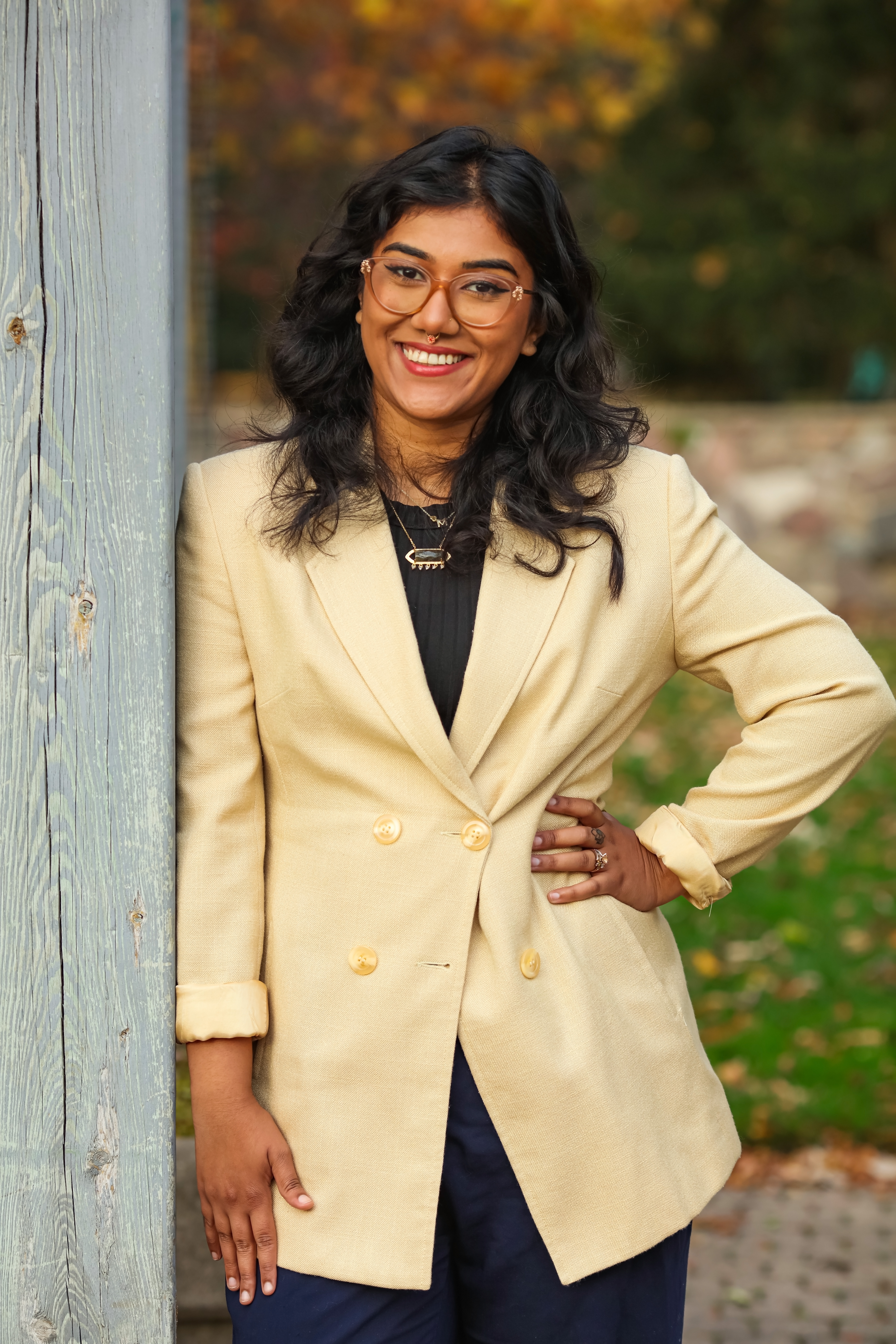
Maria Khandaker
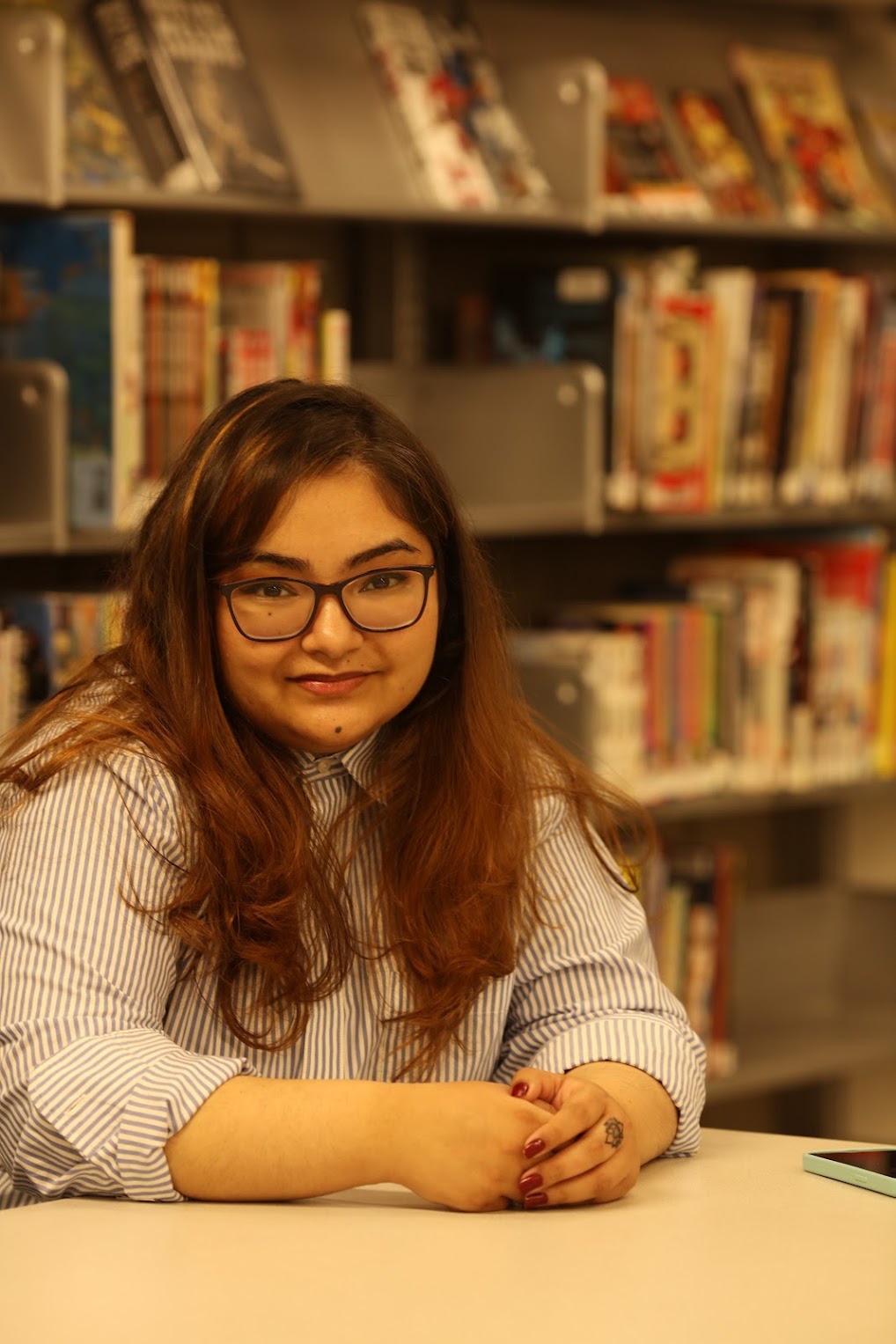
Shupa Rahman
Ramisa Kunjo